
NORBA CAESARINA SECONDARY SCHOOL BILINGUAL SECTION

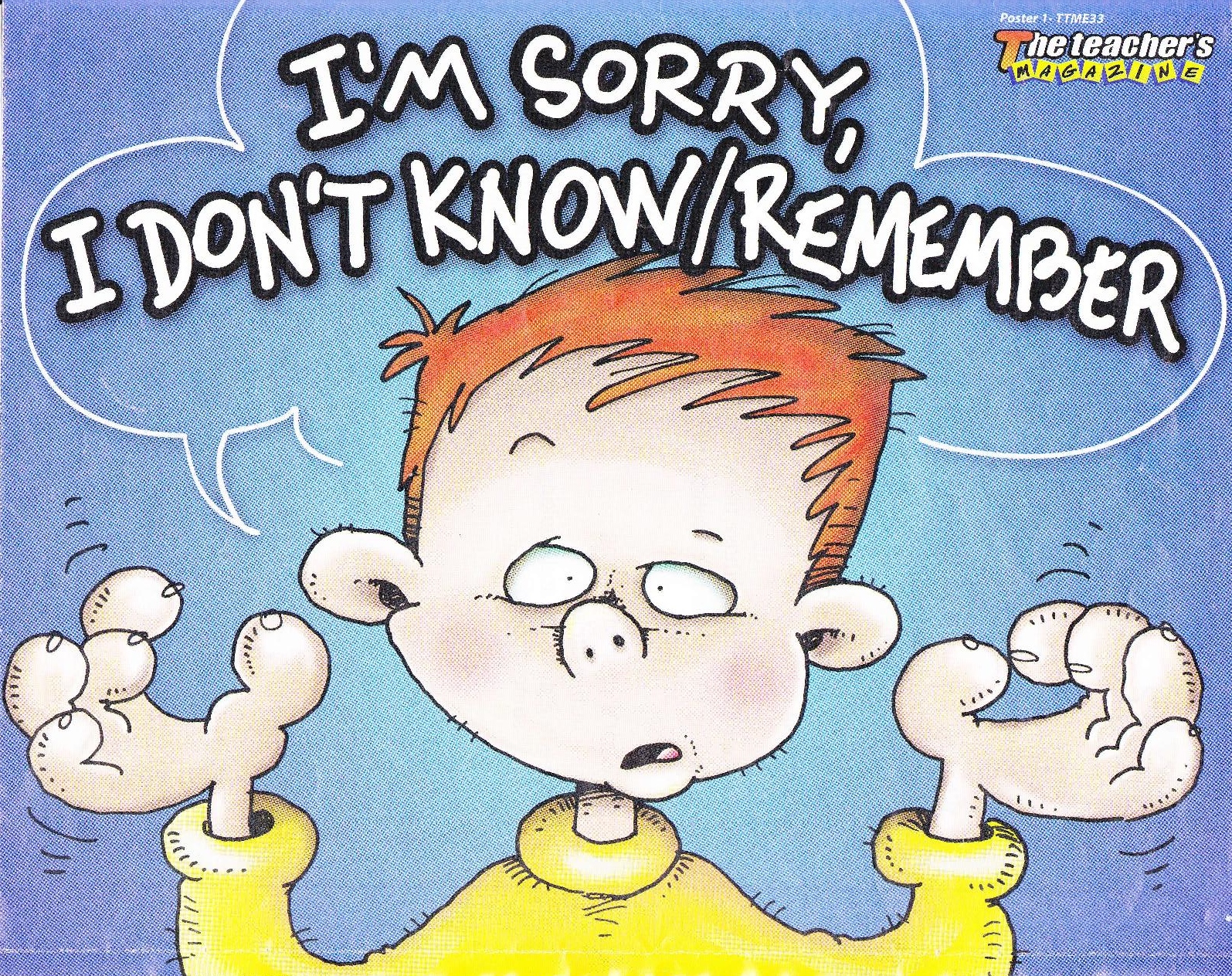
(Picture by Laura Morán Domínguez, 1ºBCH.D)
miércoles, 19 de septiembre de 2018
CLASSROOM LANGUAGE

domingo, 16 de septiembre de 2018
12 TYPICAL MISTAKES SPANISH SPEAKERS MAKE

1.-Estoy de acuerdo contigo.
Wrong: I am agree with you.
Right: __________________
2.-¿Cómo es tu mejor amigo?
Wrong: How is your best friend?
Right: a.- ________________________
b.-________________________
¿Cómo se llama esto en Inglés?
Wrong: How do you call this in English?
Right: ___________________________
3.-¡Vamos a tomar un café!
Wrong: Let's take a coffee!
Right: ___________________________
4.-Estoy haciendo un pastel.
Wrong: I'm doing a cake.
Right: _________________________
Estoy haciendo deporte.
Wrong: I'm making sport.
Right: ________________________
5.-Estoy aquí desde hace una hora.
Wrong: I am here since an hour ago.
Right: _________________________________
Estudio Inglés desde hace cinco años.
Wrong: I study English since five years ago.
Right: ________________________________
6.-¿Puede explicarme este problema?
Wrong: Can you explain me this problem?
Right: ______________________________
7.-Leí una noticia?
Wrong: I read a news.
Right: _____________________________
Tengo una noticia
Wrong: I have a new.
Right: ___________________________
Dame un consejo.
Wrong: Give me an advice.
Right: ___________________________
8.-Tengo 17 años.
Wrong: I have 17 years.
Right:____________________________
9.-Cuéntame una historia.
Wrong: Tell me a history.
Right: ____________________________
10.-Ver películas de terror es divertido.
Wrong: Watching horror films is funny.
Right: __________________________________
El partido de fútbol fue muy divertido.
Wrong: The football match was so funny.
Fue tan gracioso cuando te caíste.
Wrong: It was so fun when you fell over.
Right: ________________________________________
11.-No fui a la fiesta.
Wrong: I didn't went to the party.
Right: _____________________________________
Ella no hace sus deberes.
Wrong: She doesn't does her homeworks. (2 mistakes here!)
Right: ______________________________________________
12. Estoy aburrido.
Wrong: I am boring.
Right: _____________________________________________
https://www.europelanguagejobs.com/blog/common-English-mistakes-by-Spanish-speakers
To correct more typical mistakes, watch this video:
lunes, 10 de septiembre de 2018
BACK TO SCHOOL WITH HUMOUR
WELCOME BACK TO SCHOOL AND TO BILINGUAL NORBA BLOG!

ACTIVITY 1.
WATCH MR BEAN TAKING AN EXAM. WHAT PROBLEMS IS HE HAVING? TALK TO YOUR PARTNER AND TRY TO DESCRIBE WHAT'S GOING ON.
SPEAKING: WHAT'S THE WORST EXAM EXPERIENCE YOU HAVE HAD?
HOMEWORK: GO TO THE COMMENTS AND WRITE ABOUT YOUR WORST EXAM EXPERIENCE.
ACTIVITY 2.
MATCH SENTENCES AND FORM 8 JOKES RELATED TO SCHOOL:

HOMEWORK: PREPARE A COMIC STRIP OR A CARTOON ON THE TOPIC "BACK TO SCHOOL WITH HUMOUR". IF YOU DON'T LIKE DRAWING YOU CAN PRINT PICTURES.
ACTIVITY 1.
WATCH MR BEAN TAKING AN EXAM. WHAT PROBLEMS IS HE HAVING? TALK TO YOUR PARTNER AND TRY TO DESCRIBE WHAT'S GOING ON.
SPEAKING: WHAT'S THE WORST EXAM EXPERIENCE YOU HAVE HAD?
HOMEWORK: GO TO THE COMMENTS AND WRITE ABOUT YOUR WORST EXAM EXPERIENCE.
ACTIVITY 2.
MATCH SENTENCES AND FORM 8 JOKES RELATED TO SCHOOL:
What did you learn in school today?
|
Class: Fred!
|
The first day of school wouldn't be so bad if…
|
Son: It was all right except for some man called "Teacher" who kept spoiling all our fun!
|
Teacher: Fred, go to the map and find North America.
Fred: Here it is!
Teacher: Correct. Now, class, who discovered America?
|
Because there was no history to study!
|
Mother: What was the first thing you learned in class?
|
it weren't followed by the second day of school, and the third day of school, and then the fourth day of school . . .
|
Mother: How was your first day at school?
|
Student: In jail!
|
Math teacher: A
man from Los Angeles drove toward New York at 250 miles per hour and a
man from New York drove toward Los Angeles at 150 m.p.h. Where did they
meet?
|
Student: I’m glad it’s Friday!
|
Teacher: I’ve had to send you to the principal every day this week. What do you have to say for yourself?
|
Not enough; I have to go back tomorrow!
|
Why was school easier for cave people?
|
Daughter: How to talk without moving my lips!
|
HOMEWORK: PREPARE A COMIC STRIP OR A CARTOON ON THE TOPIC "BACK TO SCHOOL WITH HUMOUR". IF YOU DON'T LIKE DRAWING YOU CAN PRINT PICTURES.
lunes, 9 de abril de 2018

domingo, 1 de abril de 2018

jueves, 1 de marzo de 2018
miércoles, 28 de febrero de 2018
PARTY TALK

by Kate Woodford
With the party season in full swing (= at its busiest now), we consider the language of socializing (= enjoying yourself with other people). We’re looking especially at words and phrases which are used to describe the different ways that people behave at a party and the sort of conversations that party guests may have.
Some people are very sociable (= liking meeting people). For them, a party is an opportunity to meet and chat to many people. They may choose to mingle, moving around the room and talking to a lot of guests: I guess I’d better go and mingle with my guests.
Other guests may be meeting for the first time. They may just exchange pleasantries, meaning that they say things to each other which are polite and pleasant but not especially interesting or important: Sarah introduced us at her party and we exchanged pleasantries. Another way of saying this is to make small talk: He doesn’t especially enjoy making small talk with people he doesn’t know. The informal noun chit-chat is also used to refer to conversation about matters that are not important: I don’t even remember what we spoke about – I think it was just the usual party chit-chat.
Some people like to keep the conversation light-hearted (= happy and not serious). They may enjoy a bit of banter in which they make jokes with people and laugh at them: There was the usual banter between the guys. ‘Banter’ is also a verb: He stood around bantering with his colleagues for a while.
Not all conversation is fun and jokey, however. Two close friends may use the opportunity to have a heart-to-heart, talking seriously about their feelings on subjects that are important to them: Paul and Helen seemed to be having a heart-to-heart so I didn’t like to disturb them.
Elsewhere at the same party, a guest may see old friend that they have not seen for a while and may catch up (= hear that person’s news): It was so nice to see you at Nicole’s party and catch up. This phrase is also used as a noun: Let’s meet in the New Year and have a proper catch-up then.
If two people meet for the first time and immediately get on (= enjoy each other’s company), they may be said to (informal) hit it off: I introduced Zoe to your brother and they really hit it off. You might also say that they get on like a house on fire : I wasn’t expecting them to have much in common but they got on like a house on fire.
Suscribirse a:
Entradas (Atom)